Michigan winters can be tough on sprinkler systems. When temperatures drop below freezing, any water left inside irrigation lines, valves, sprinkler heads, or backflow components can freeze, expand, and cause damage. What looks like a small amount of leftover water in the fall can turn into cracked pipes, broken fittings, damaged valves, and expensive spring repairs.
That is why many homeowners search for affordable sprinklers winterization services before the cold season starts. Winterization is one of the most important seasonal services for protecting your sprinkler system in Taylor, MI. It helps remove water from the irrigation system before freezing weather arrives, reducing the risk of damage during winter.
For homeowners who want to protect their lawn irrigation investment, Affordable Sprinklers’ Irrigation winterization service in Taylor, MI, is designed to prepare systems for Michigan’s cold weather.
What Is Sprinkler Winterization?
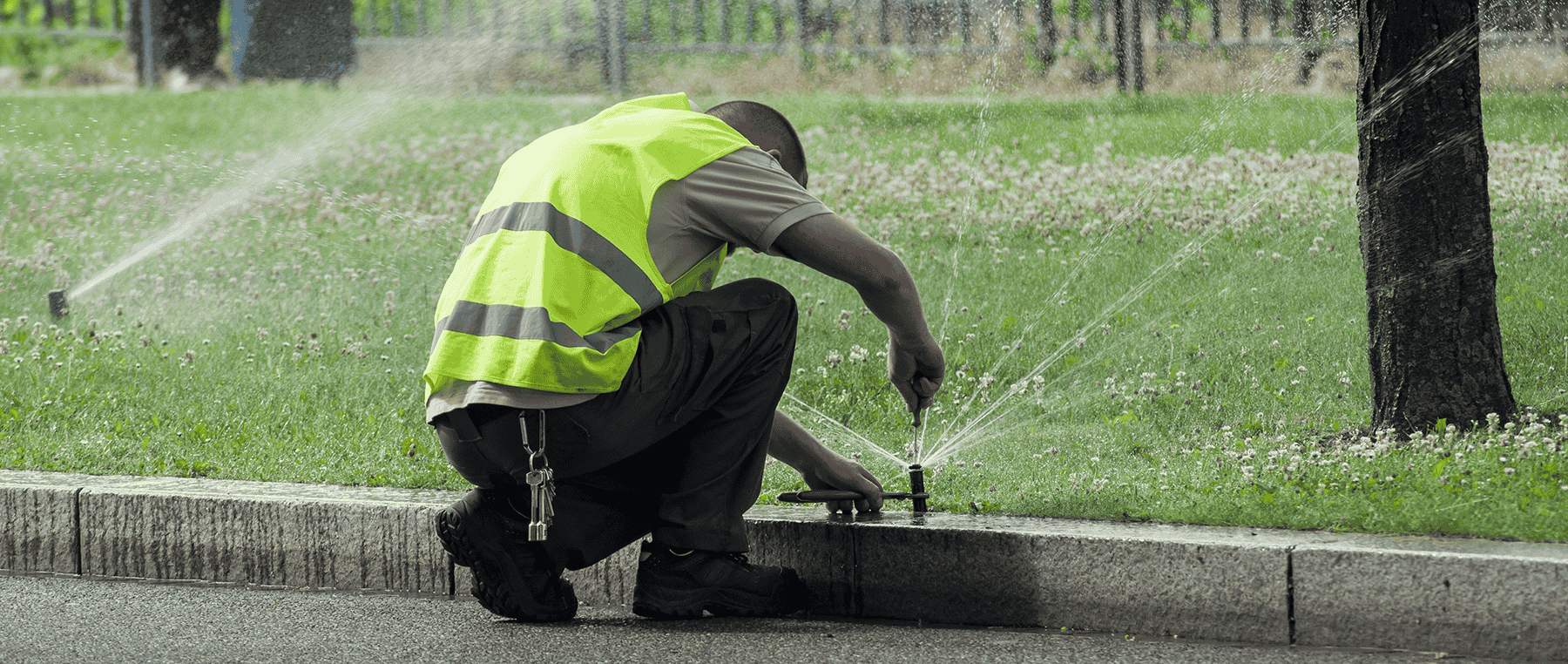
Sprinkler winterization is the process of preparing an irrigation system for freezing temperatures. The main goal is to remove water from the lines, heads, valves, and other components so the system does not freeze and break during winter.
A typical winterization service may include:
- Shutting off the irrigation water supply
- Draining the system
- Blowing out sprinkler lines with compressed air
- Clearing water from zones
- Checking visible heads and valves
- Preparing the controller for winter
- Inspecting the system for obvious issues
- Recommending repairs if damage is found
The most important part is removing trapped water. Even if the system is turned off, water can remain inside pipes and components. When that water freezes, it expands and can crack parts from the inside.
Practical insight: Turning off the controller is not the same as winterizing the system. The system may still have water trapped underground.
Why Winterizing the Irrigation System in Taylor Matters
Taylor, MI homeowners deal with real winter conditions. Freezing temperatures, snow, ice, and freeze-thaw cycles can all affect underground sprinkler systems. If irrigation lines are not winterized, damage may not show up until spring startup.
That is one of the frustrating parts of sprinkler freeze damage. The system may look fine all winter, but when you turn it on in spring, you may notice leaks, weak pressure, broken heads, or zones that do not work properly.
What can happen if you skip winterization?
Skipping winterization can lead to:
- Cracked underground pipes
- Broken sprinkler heads
- Damaged valves
- Leaking fittings
- Backflow component issues
- Weak water pressure in spring
- Zones that fail to turn on
- Higher repair costs
- Water pooling when the system restarts
- Delayed lawn watering in spring
When winterization is most important
Winterization is especially important if:
- You have an underground sprinkler system
- Your system has multiple zones
- Your property has low spots where water collects
- Your system was used heavily during summer
- You have older irrigation components
- You had repairs earlier in the season
- You want to avoid spring startup problems
When it may not be needed
If you do not have an irrigation system or only use a simple detachable hose sprinkler, professional winterization may not be necessary. However, any permanent underground irrigation system in Taylor should be winterized before freezing temperatures arrive.
Practical insight: If your sprinkler system has underground lines, assume it needs winterization. Water trapped below ground can still freeze and damage parts.
When Should You Schedule Sprinkler Winterization Services in Taylor?
Timing matters. If you winterize too early, your lawn may still need watering during warm fall days. If you wait too long, freezing temperatures may arrive before the system is protected.
For Taylor homeowners, the best time to schedule sprinkler winterization services is usually in the fall, before consistent freezing temperatures arrive.
Good timing signs
Consider scheduling winterization when:
- Lawn growth begins slowing down
- Night temperatures are getting colder
- You are no longer watering regularly
- Leaves are falling
- Fall cleanup is underway
- Frost is starting to appear in the forecast
When not to wait
Do not wait until the first hard freeze is already happening. Once temperatures drop below freezing, water inside the system may already be at risk.
Practical insight: Schedule winterization before the rush. Many homeowners wait until the weather turns cold, which can make appointment availability tighter.
Winterize Sprinkler System Service Near Me in Taylor: What Professionals Do
When homeowners search for winterize sprinkler system service near me in Taylor, they are usually looking for a company that can safely prepare the system without damaging it.
Professional winterization often involves using compressed air to blow water out of the sprinkler lines. This must be done carefully because too much air pressure can damage sprinkler parts.
Professional winterization may include:
- Locating and shutting off the irrigation water supply
- Connecting air equipment to the system
- Blowing out each irrigation zone
- Watching sprinkler heads for water discharge
- Repeating zones if needed
- Checking for visible leaks or broken heads
- Setting the controller for winter mode
- Advising on any repair concerns
Why professional service matters
Sprinkler systems have different layouts, pipe sizes, zones, valves, and components. A professional knows how to move through the zones without overpressurizing the system.
When DIY may not be a good idea
DIY winterization can be risky if you do not have the right compressor, do not understand the system layout, or use too much pressure. A small mistake can damage the same system you are trying to protect.
Practical insight: A household air compressor may not always provide enough air volume to clear the lines properly. Winterization is not just about pressure; air volume matters too.
DIY vs Professional Sprinkler Winterization
Some homeowners try to winterize sprinkler systems themselves. This may seem like a way to save money, but the trade-off depends on experience, equipment, and system complexity.
DIY winterization may work when:
- The system is very simple
- You know where every valve is
- You have the correct compressor
- You understand safe air pressure
- You have done it successfully before
- You can confirm every zone is cleared
Professional winterization is better when:
- The system has multiple zones
- You are unsure where the shutoff is
- You do not have the right compressor
- You have commercial irrigation
- The system has had past leaks
- You want to avoid spring repair costs
- You are not familiar with irrigation components
Main trade-off
DIY may save money upfront, but improper winterization can lead to cracked pipes, damaged valves, and repair costs later. Professional service costs more than doing nothing, but it can help protect the system through winter.
Practical insight: Winterization is usually less expensive than repairing freeze-damaged underground lines in spring.
Common Sprinkler Freeze Damage Problems
Freeze damage can affect different parts of an irrigation system. Some damage is easy to see, while other issues stay hidden underground until spring.
Cracked pipes
Water inside underground pipes can freeze and expand. This may crack the pipe or loosen fittings.
What: Pipe damage often causes leaks or low pressure.
Why: Water expansion creates pressure inside the pipe.
When: It usually appears during spring startup.
When not: Do not assume low pressure is always a pipe crack; it may also be a valve or head issue.
Practical insight: A soggy area during spring startup can be a sign of underground freeze damage.
Broken sprinkler heads
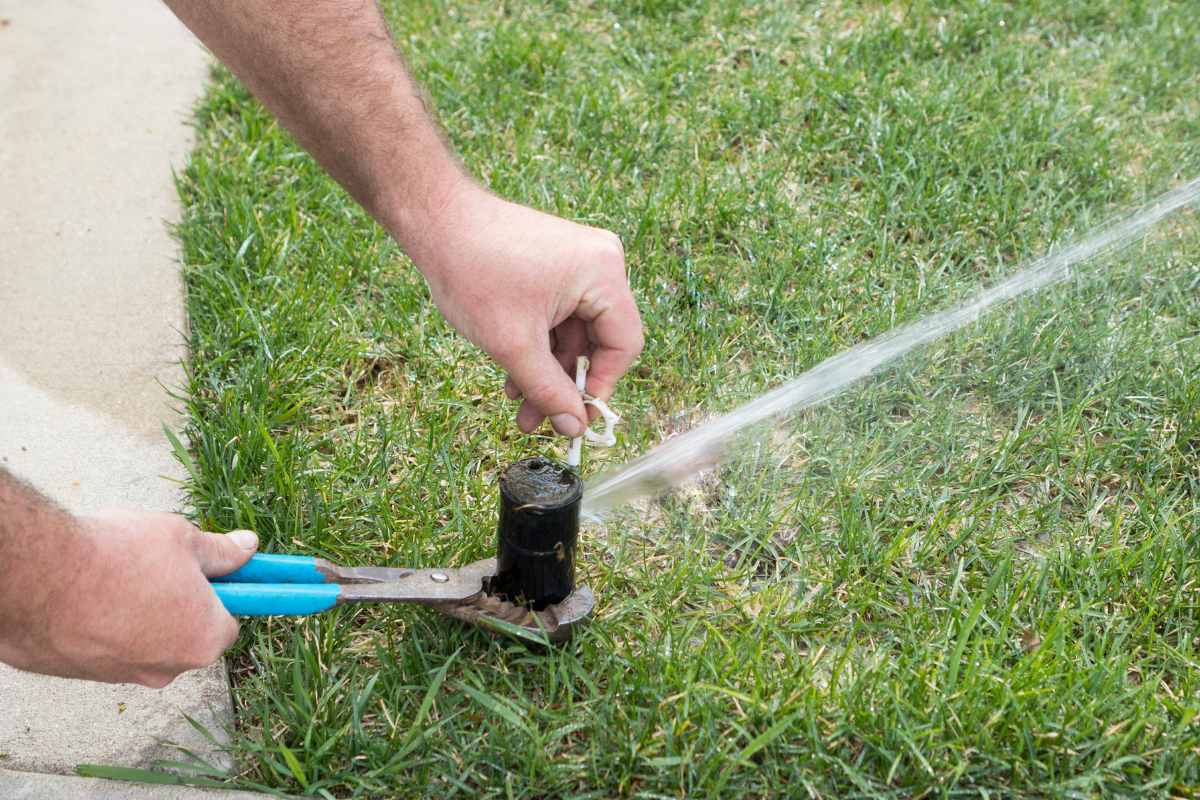
Sprinkler heads can crack if water remains inside the body or riser.
What: Broken heads may leak, spray unevenly, or fail to pop up.
Why: Frozen water can damage internal parts.
When: Replace or repair when the head leaks or sprays incorrectly.
When not: If a head is only clogged with debris, cleaning may be enough.
Practical insight: Check sprinkler heads after winter before running the system regularly.
Damaged valves
Valves control water flow to each zone. If water freezes inside or near valves, they may leak or fail.
What: Valve damage can stop a zone from working or cause continuous water flow.
Why: Valves have internal parts that can be affected by freezing.
When: Repair is needed if a zone will not turn on or shut off.
When not: Do not replace the controller before checking valves and wiring.
Practical insight: A single zone problem in spring may be caused by a valve, not the whole system.
Winterize Sprinkler System Companies Near Me in Taylor: How to Choose One
When comparing winterize sprinkler system companies near me in Taylor, look for more than just the lowest price. Winterization requires care, the right equipment, and knowledge of irrigation systems.
What to look for
Choose a company that:
- Understands local winter conditions
- Has experience with sprinkler systems
- Uses proper blowout equipment
- Can handle multiple zones
- Checks visible system components
- Explains the process clearly
- Offers repair or maintenance support
- Serves Taylor and nearby areas
Questions to ask
Before booking, ask:
- Do you blow out each sprinkler zone?
- Do you use proper air pressure for irrigation systems?
- Can you winterize residential and commercial systems?
- What should I do before the appointment?
- Do you check for visible sprinkler issues?
- Can you help if spring damage is found later?
- Do you offer full irrigation maintenance?
Practical insight: A good winterization company should be able to explain what they do in simple terms. If the process sounds rushed or unclear, ask more questions.
Real-World Winterization Scenarios for Taylor Homeowners
1: Homeowner waits too long
A homeowner plans to winterize in late fall but delays the appointment. A sudden freeze arrives, and water remains inside the lines. In spring, one zone has weak pressure and a wet spot appears near the sidewalk.
Lesson: Waiting too long can increase the risk of hidden freeze damage.
Practical insight: Book winterization before freezing weather becomes consistent.
2: DIY blowout with the wrong compressor
A homeowner tries to winterize the system with a small compressor. Some water comes out, but not enough air volume clears all lines. The system seems fine, but spring startup reveals a cracked fitting.
Lesson: Proper equipment matters.
Practical insight: Airvolume is just as important as air pressure when clearing irrigation lines.
3: Commercial property skips winterization
A small business forgets to winterize its irrigation system. In spring, a broken line creates a muddy area near the entrance.
Lesson: Commercial properties also need seasonal irrigation protection.
Practical insight: Businesses should schedule winterization as part of fall property maintenance.
4: System is winterized, but repairs are noted
During winterization, a technician notices a damaged sprinkler head and recommends spring repair. The homeowner schedules repair early and avoids uneven watering when the season starts.
Lesson: Winterization can also help identify issues before the next season.
Practical insight: Use winterization as a chance to note repairs for spring startup.
Common Mistakes Homeowners Make with Sprinkler Winterization
1: Turning off the controller only
Turning off the controller stops watering, but it does not remove water from the system.
Practical insight: Winterization means clearing water, not just stopping the schedule.
2: Waiting until after the first hard freeze
By the time a hard freeze arrives, damage may already be possible.
Practical insight: Schedule before freezing temperatures become regular.
3: Assuming all water drains naturally
Some water may remain trapped in low points, valves, heads, and lines.
Practical insight: Underground systems often need a proper blowout to remove trapped water.
4: Using too much air pressure
Too much pressure can damage irrigation components.
Practical insight: Professional winterization uses controlled pressure and proper technique.
5: Forgetting spring startup
Winterization protects the system during winter, but spring startup is still important.
Practical insight: After winter, the system should be checked before heavy seasonal use.
How Winterization Saves Money Long-Term
Winterization is a preventive service. It may feel like an extra step in the fall, but it can help avoid larger repair costs in spring.
A freeze-damaged system may require pipe excavation, valve replacement, head replacement, or troubleshooting multiple zones. These repairs can be more expensive and disruptive than seasonal winterization.
Winterization can help reduce:
- Emergency spring repairs
- Water waste from leaks
- Lawn damage from broken lines
- Delayed watering in spring
- Damage to sprinkler heads and valves
- Stress from unexpected system failure
Practical insight: Preventive care is usually cheaper and easier than repairing hidden underground damage after winter.
When Winterization May Not Be Enough
Winterization is important, but it does not solve every irrigation issue. If your system already has leaks, broken parts, poor pressure, or damaged heads, those problems may still need repair.
Winterization may not fix:
- Existing pipe leaks
- Broken sprinkler heads
- Faulty valves
- Electrical wiring issues
- Controller failure
- Poor system design
- Uneven zone coverage
Winterization protects the system from freeze damage, but it should be combined with maintenance and repair when needed.
Practical insight: If your system had problems during summer, do not expect winterization alone to fix them. Schedule repairs before or after winter depending on the issue.
Conclusion: Protect Your Sprinkler System Before Taylor Winter Arrives
Irrigation winterization is one of the most important seasonal services for homeowners in Taylor, MI. Freezing temperatures can damage sprinkler lines, heads, valves, and fittings if water is left inside the system.
For homeowners searching for affordable sprinklers winterization services, the key takeaway is simple: do not wait until the first hard freeze. Schedule winterization before consistent freezing temperatures arrive, make sure each zone is properly cleared, and use the service as a chance to identify repair needs for the next season.
A properly winterized sprinkler system is easier to restart in spring, less likely to suffer freeze damage, and better protected through Michigan’s cold winter months.
FAQs
What are affordable sprinklers winterization services?
Affordable sprinklers winterization services help prepare an irrigation system for freezing weather by shutting off the water, clearing sprinkler lines, and reducing the risk of winter freeze damage.
When should I winterize my sprinkler system in Taylor, MI?
You should winterize your sprinkler system in Taylor before consistent freezing temperatures arrive. Fall is usually the best time, before the first hard freeze.
Can I winterize my sprinkler system myself?
Some homeowners can winterize simple systems themselves, but professional service is safer for multi-zone systems or when proper equipment is needed. Incorrect air pressure or poor blowout technique can damage the system.
What happens if I do not winterize my irrigation system?
If you do not winterize your irrigation system, trapped water can freeze, expand, and cause cracked pipes, broken sprinkler heads, damaged valves, leaks, and costly spring repairs.
How do I find sprinkler winterization services in Taylor?
Look for a local company experienced with sprinkler winterization services in Taylor, proper blowout equipment, residential and commercial systems, and full irrigation maintenance support.